Published case study — attributed implementation
Power of God & Pedu MediaFashion retail and creative services
Websites for a clothing brand and a creative agency.
- The need
- Power of God needed a clear path from clothing collections to checkout. Pedu Media needed to explain its services and help visitors enquire about a project. Each business needed its own visual identity.
- What we built
- We built two distinct websites: an online clothing store with product selection and Shopify checkout, and an agency site with service pages, portfolio work and a structured project enquiry form.
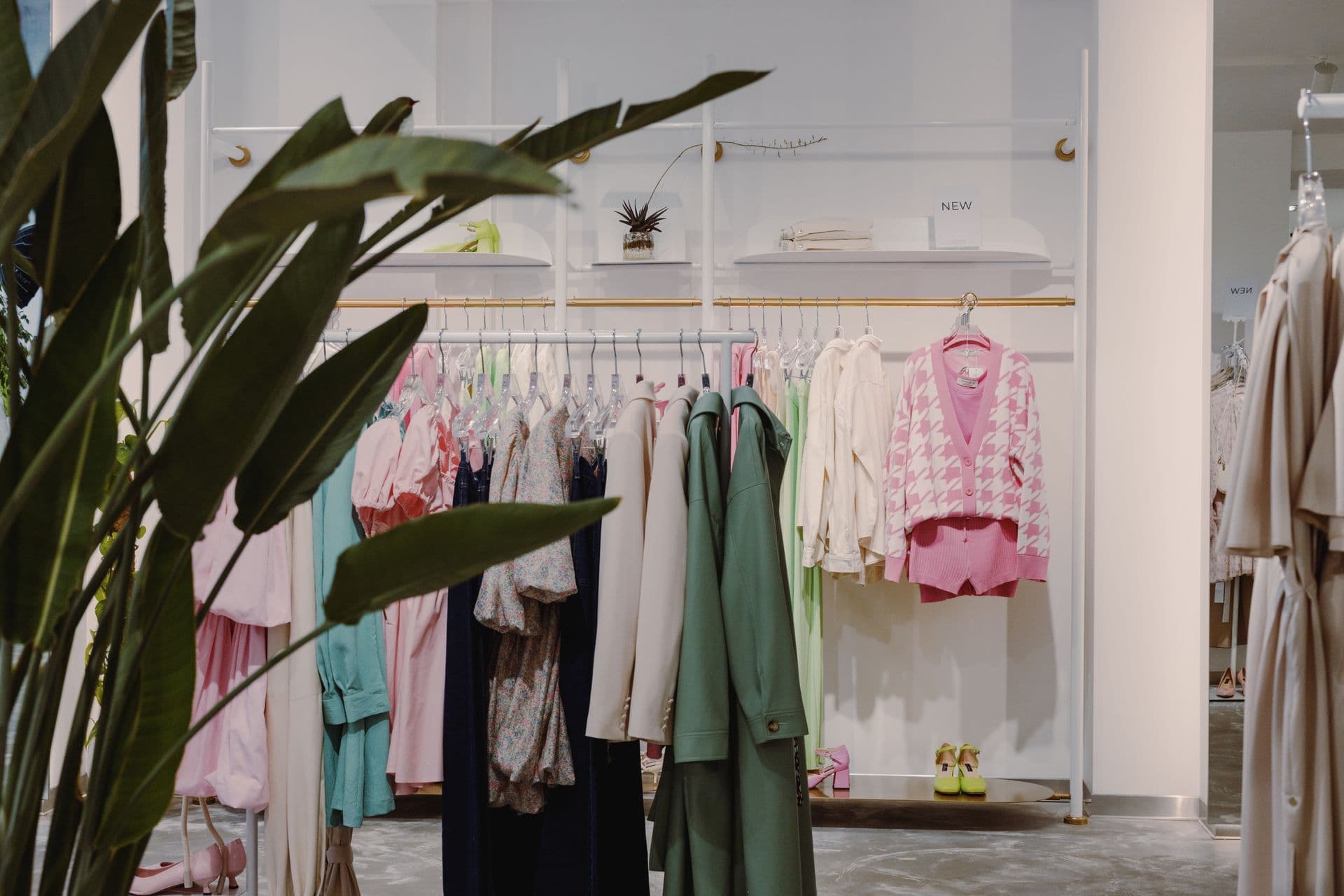
Illustrative stock photo, not project imagery.Ron Lach / Pexels
Published case study — attributed implementation
This page documents only the structure or implementation supported by the recorded sources. No measured outcome or testimonial is currently approved for publication.
The published web experience
Explore selected screens from the project. The complete site opens separately for current content and full interaction.
Power of God
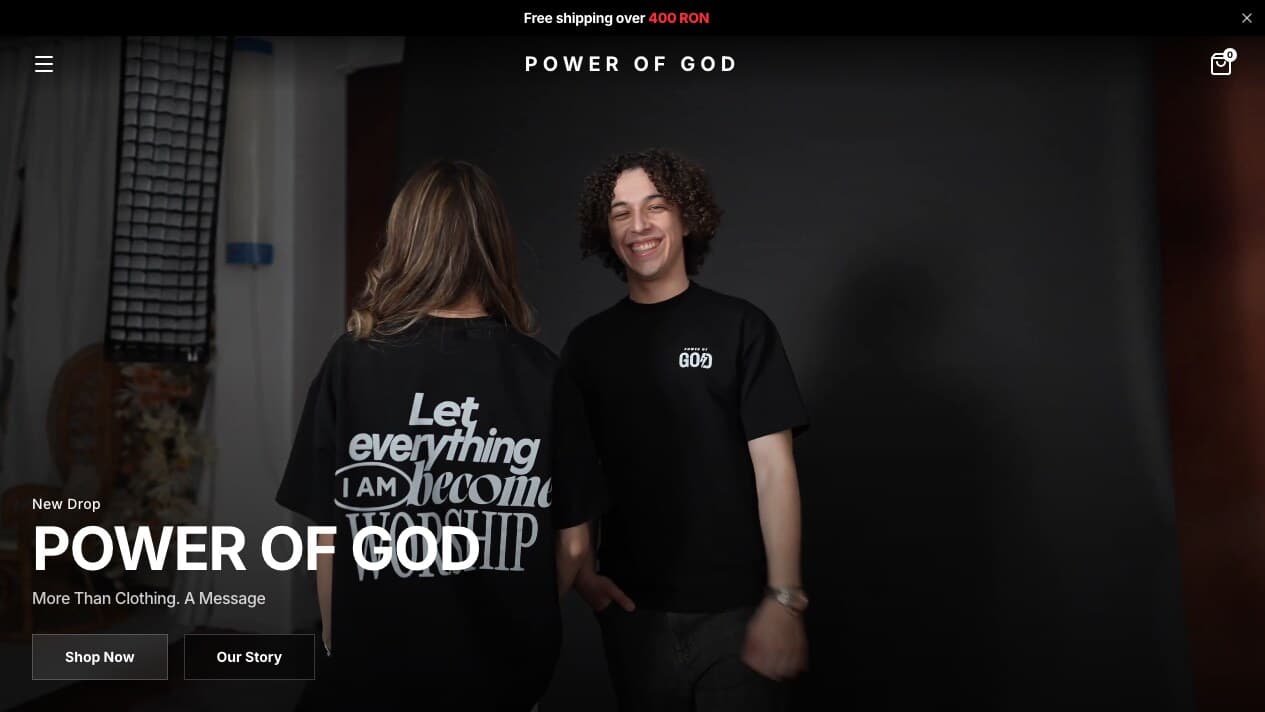
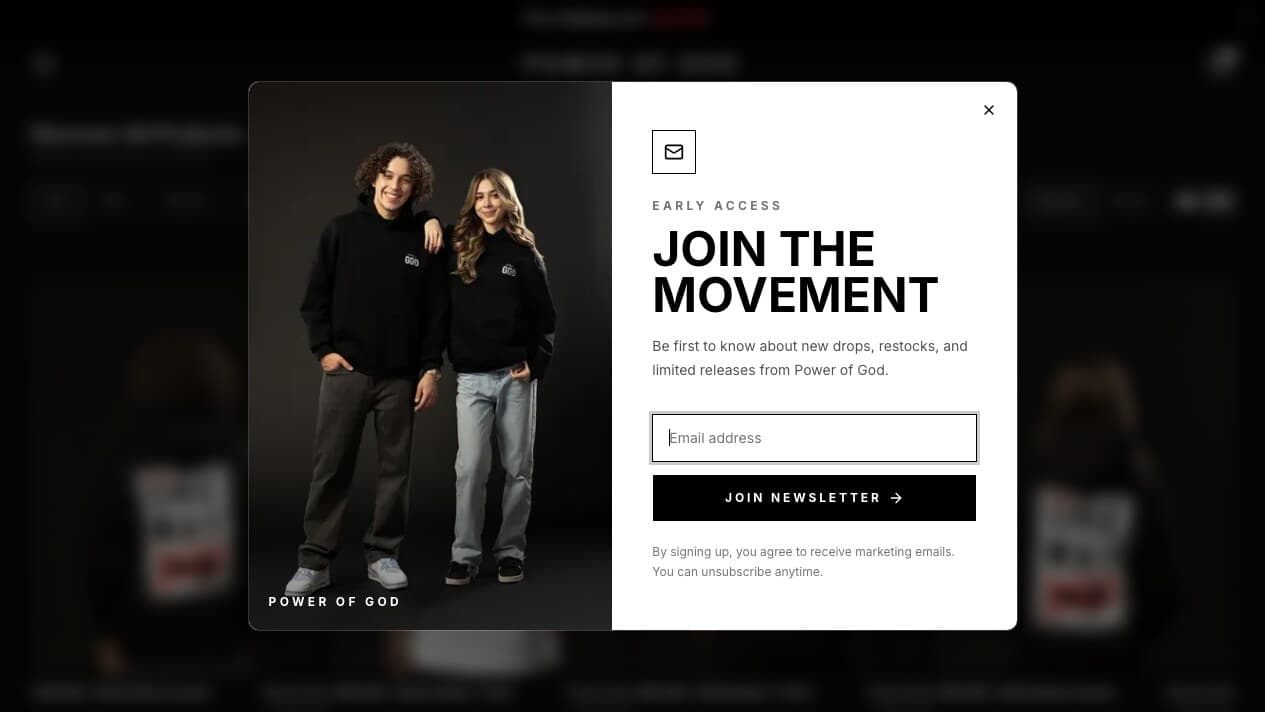
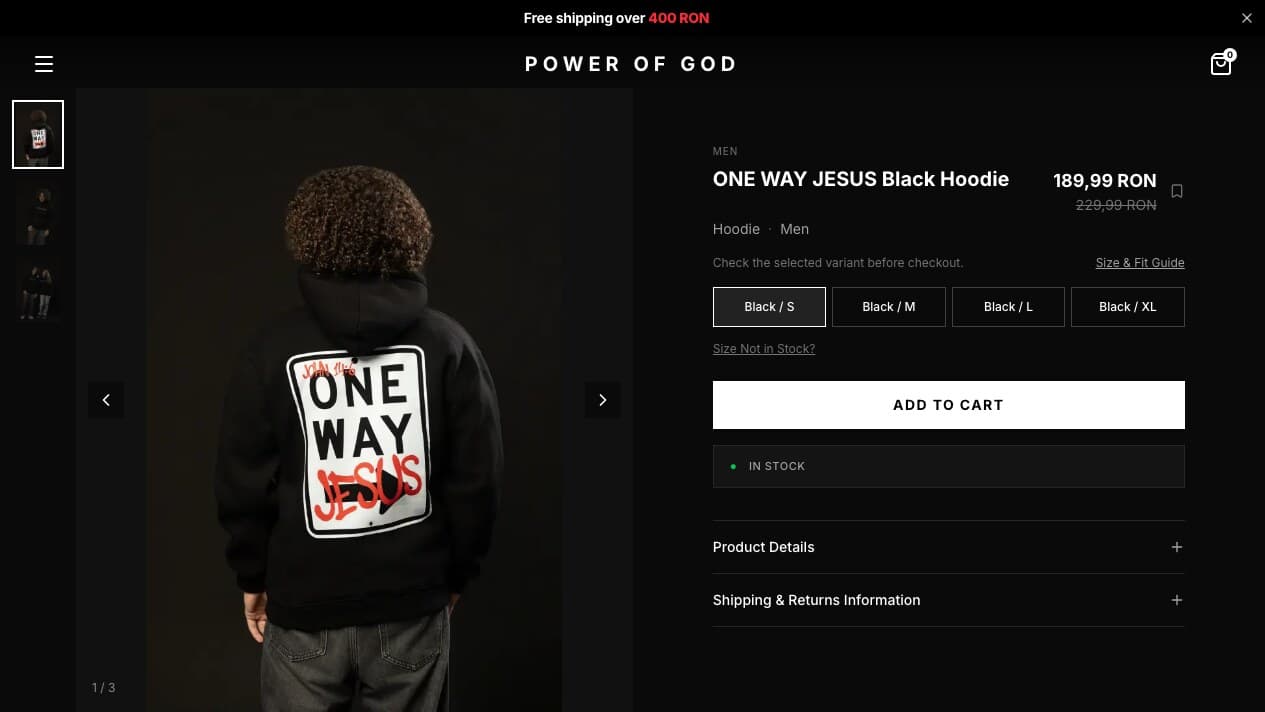
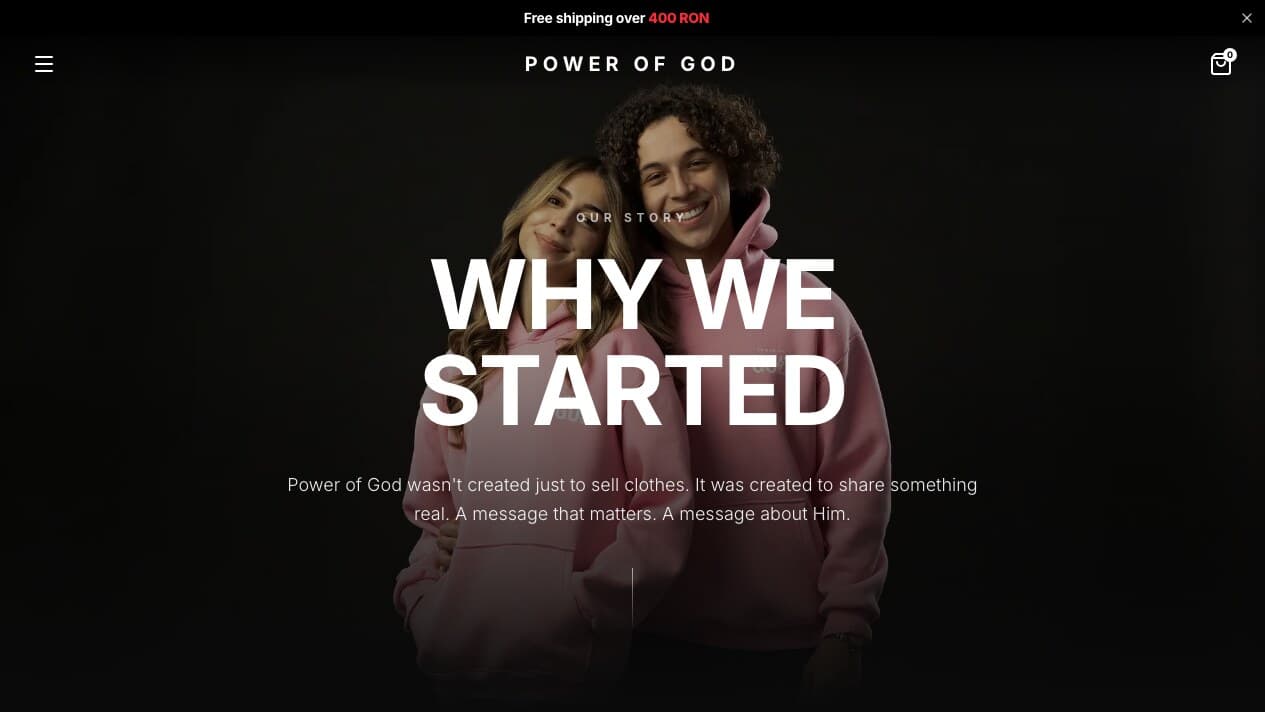
A brand-led storefront that connects campaign imagery, collections, product selection, cart state and Shopify checkout without losing the visual tone of the clothing label.
Start with the collection
The homepage uses campaign imagery, a short brand line and two direct actions. Visitors can move into the store or read the story without working through a generic retail landing page.
Captured from the published website.The operational problem
Power of God needed a clean path from campaign imagery to collections, product selection, cart and checkout. Pedu Media needed to make several services easy to understand while keeping one coherent identity and enquiry path. On both sites, responsive behaviour and visual direction were part of the function, not a layer added after development.
This page separates implemented structure from unverified outcomes or claims. Existing public identities remain bounded by each case's declared status and sources. Any new or expanded identity, testimonial, metric, or verified outcome requires claim-specific evidence and publication approval.
Current-state flow
The repeated handoffs the system is designed to replace or make visible.
- 01
Power of God customers discover a collection, compare products and variants, add items to the cart and continue to secure checkout.
- 02
Pedu Media visitors move between focused service pages before starting a project enquiry from the most relevant context.
- 03
Campaigns, products, service copy and visual assets can change without rebuilding the basic navigation and page structure.
- 04
The same core journeys remain readable and usable across desktop, tablet and mobile layouts.
Constraints and risks
These conditions shape the architecture before automation begins.
Two different identities
A clothing label and a creative agency need different art direction, pacing and content hierarchy. Reusing a generic visual template would weaken both brands.
Commerce must remain dependable
Product variants, stock, cart state, policies and checkout handoff need predictable behaviour even when the storefront uses image-led layouts and campaign motion.
Responsive design is functional
Navigation, media, headings, product controls and enquiry actions must stay clear on smaller screens rather than simply shrinking the desktop composition.
System design
A traceable path from intake to action, with uncertainty surfaced before it becomes an operational error.
Independent design systems
Each site has its own typography, colour, media treatment and interaction rhythm, with reusable components inside that identity rather than across both brands.
Power of God commerce journey
Campaign pages lead into collections and product views, where variant selection, cart state and Shopify checkout support the purchase path.
Pedu Media service journey
A shared agency shell connects service-specific pages to contextual calls to action and one structured project enquiry flow.
Responsibility by design
The system does not treat every task as an AI task.
Deterministic responsibilities
Repeatable rules own validation, state, and system changes.
- Associate products with the correct collection, media, price, variant and stock state.
- Preserve cart contents and send the approved order state to Shopify checkout.
- Route Pedu Media visitors to the correct service page and project enquiry context.
- Validate required enquiry fields and return clear submission feedback.
- Keep navigation, media and primary actions usable across supported viewport sizes.
- Load analytics from each shared root layout instead of duplicating tracking scripts per page.
Bounded-AI responsibilities
AI assists with narrow interpretation work and exposes its basis.
- Neither public website relies on generative AI for product selection, pricing, cart behaviour, service routing or enquiry submission.
- Content and commercial actions remain based on approved records, explicit interface states and deterministic integrations.
Human approvals and exceptions
People keep authority over consequential and ambiguous cases.
- Power of God approves product imagery, descriptions, prices, availability, campaign releases and store policies.
- Pedu Media approves service positioning, portfolio material, enquiry questions and calls to action.
- The delivery team reviews responsive layouts, browser behaviour and third-party handoffs before each release.
- Business owners decide which analytics, marketing and customer-contact tools may process visitor data.
Integration surface
Connect to the existing operating environment without pretending every tool is a system of record.
- Shopify
- Product and variant data, cart operations, policies and the secure Power of God checkout handoff.
- Power of God content
- Campaign media, collection imagery, product photography, brand story and customer-facing store copy.
- Pedu Media enquiry flow
- Contextual project forms, validation, delivery feedback and internal follow-up details.
- Analytics
- Shared measurement hooks applied at site level, subject to the active configuration.
What the engagement should deliver
Not just a demo: the operating model, working system, tests, controls, and handover needed to own it.
- Two responsive public websites with separate visual systems
- Power of God collection, product, cart and checkout journey
- Pedu Media service architecture and contextual project enquiry path
- Reusable page, navigation, media and interaction components within each brand
- Content structures for ongoing product, campaign and service updates
- Release checks, operating notes and implementation handover
Limitations and next phase
Start narrow enough to validate the operating model before expanding its authority or scope.
- Current prices, stock, products, services and campaign content depend on the records maintained by each business.
- Payment and final checkout behaviour depend on Shopify and the payment methods enabled for the store.
- The case-study frames are dated captures. The live sites remain the source for current content and full interaction.
Possible next phase
Use measured product and enquiry journeys to refine the pages with the highest commercial value, then add new campaigns or service pages through the existing design systems.
Your workflow will be different
Turn the blueprint into a system shaped around your tools and controls.
Bring the current steps, owners, systems, and recurring exceptions. The first conversation is for mapping the workflow and deciding whether a custom build is justified.